The silent tie-breaker rule has been a seldom utilised part of the history of auctions for the Indian Premier League (IPL). The silent tie-breaker rule has been part of the IPL auction rules since as far back as 2010. The intention behind introducing the rule was to give the franchises a final opportunity to get […]

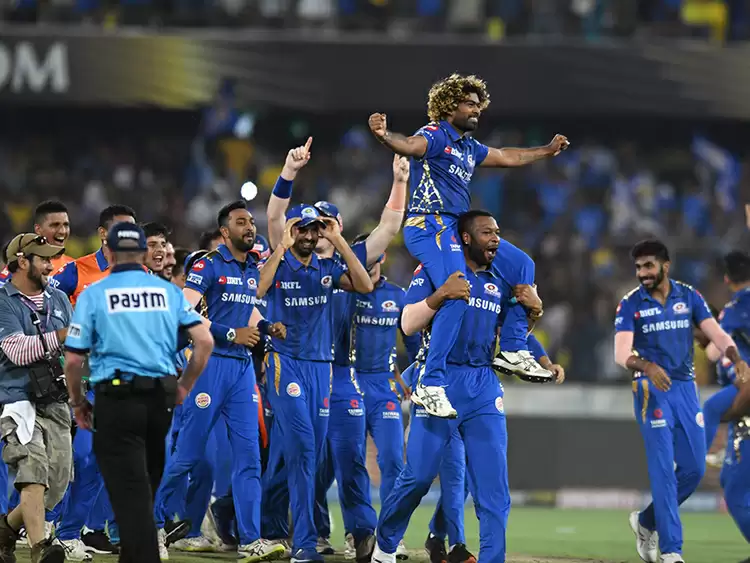
The silent tie-breaker rule has been a seldom utilised part of the history of auctions for the Indian Premier League (IPL). The silent tie-breaker rule has been part of the IPL auction rules since as far back as 2010.
The intention behind introducing the rule was to give the franchises a final opportunity to get the player they want if they can’t bid further for him through the usual process.
The silent tie-breaker rule comes into play in rarest or rare scenarios when a franchise makes its “last bid” for a player upon consuming its entire allotted purse at the auction. If another franchise makes a “matching bid” for that player, having also exhausted their purse, these two teams enter the silent tie-breaker tussle.
As per the rules and regulations part of this tussle, both the franchises will then have to submit a “written bid” to the BCCI and IPL governing council. With the amount not being disclosed to the other party, this bid is usually termed the “secret bid”.
The team that is willing to pay the higher amount above their last or matching bid end up getting the player. It must be noted that this amount – the secret bid amount – doesn’t go to the player’s pocket but the BCCI. The player only gets a contract worth the last or the matching bid. In the history of IPL, there have been three players bought through this process.

Also Read – IPL 2022 Mega Auction: Uncapped Indian Players Who Can Start A Bidding War
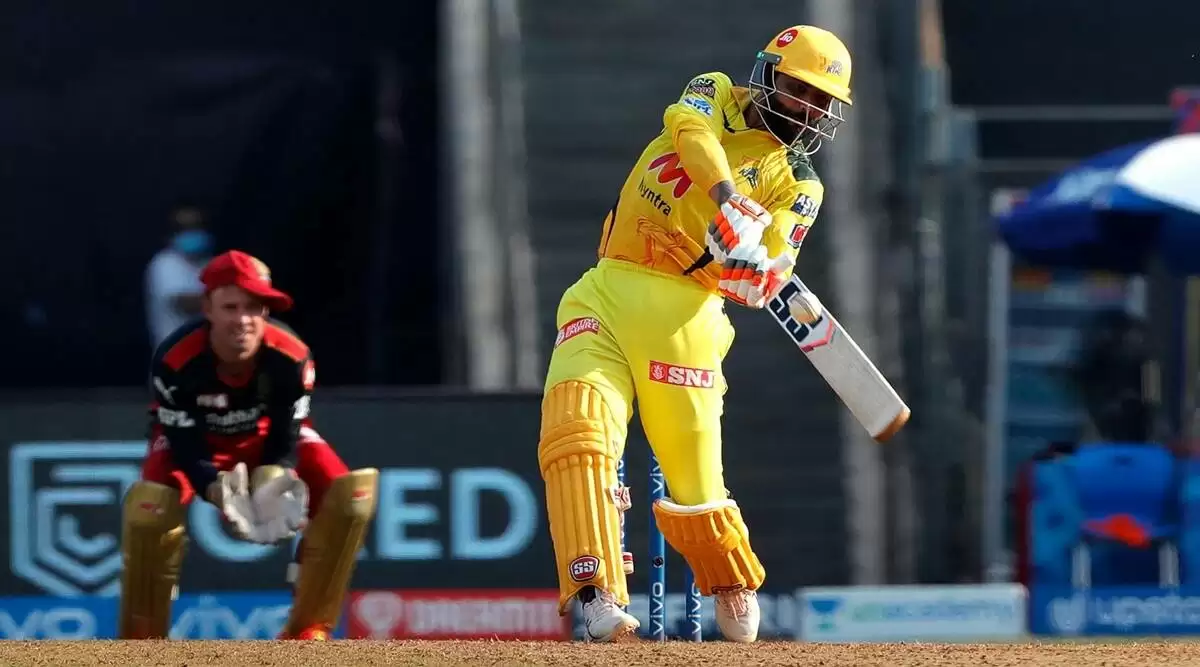
Ravindra Jadeja played for CSK because of the silent tie-breaker rule part of IPL auction process.
1. Kieron Pollard
The name of West Indies limited-overs giant Kieron Pollard has come to be a synonym with the mighty five-time winners Mumbai Indians (MI) over the years. But there was a chance that the cricketer may have never played for the most successful IPL side if not for the silent tie-breaker rule available at the auction.
MI got Pollard at the 2010 auction through this method after three other teams Kolkata Knight Riders (KKR), Royal Challengers Bangalore (RCB) and Chennai Super Kings (CSK) made an equal maximum last bid of USD 750,000 for him. MI then got Pollard in the secret bidding process where they submitted the highest written bid to the BCCI.
2. Shane Bond
Two-time winners Kolkata Knight Riders (KKR) got New Zealand’s former quick Shane Bond through the same process. Bond entered the bidding war with a base sum of $100,000 but had a maximum last bid equalled by two franchises, including KKR and the then Deccan Chargers, of USD 750,000.
This is when both KKR and DC entered the secret bidding war or the silent tie-breaker and KKR got their man after offering a higher undisclosed amount to the BCCI. Bond was a major beneficiary of the rule as well as the franchise’s contentious decision not to bid for any of the Pakistan pacers that year.
3. Ravindra Jadeja
Last but certainly not the least is CSK’s very own Ravindra Jadeja, who entered the MS Dhoni-led side at the IPL’s 2012 auction. Jadeja, who had spent his initial IPL years featuring for Rajasthan Royals (RR) and the now-disbanded Kochi Tuskers Kerala, went to CSK through the silent tie-breaker rule.
Jadeja, who has over the years become an integral part of the CSK line-up, was bought by the franchise through the unconventional method after making a maximum last bid of USD 2 million for the allrounder. CSK’s last bid was matched by the Deccan Chargers as well. But eventually, the player went to play for the Kings after they beat Chargers in the secret tie-breaker.